
What is Health Literacy?
October is Health Literacy Month. Health literacy is the ability to not only find and understand information about health, but to also use this information to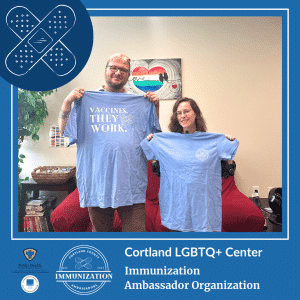 make healthy decisions. Improving health literacy is a typical goal for agencies that promote public health in their communities, because research shows that when people are literate in their health, they are better able to manage their health. People who are health literate are more likely to successfully manage their chronic health conditions, seek preventative care instead of just emergency care, and can even increase their life expectancy. High health literacy in a community decreases readmissions to hospitals, reduces health disparities between groups, and improves overall health outcomes.
Information about health can be difficult to understand, even for people who can read very well. Health information might include unfamiliar medical jargon or data that can be easily misinterpreted. It can be difficult to fully understand a medical study that uses technical language, for example. If someone was recently diagnosed with a serious health issue, they may be confused and scared while seeking out more information about their condition, which can further complicate their ability to understand what they are learning. It can even be challenging to understand the instructions on the label of a prescription medication.
Another barrier for people is determining whether the source is trustworthy or not. Unfortunately, it’s common for health misinformation to spread online, especially through social media. If you’re encountering information that doesn’t have a clear source, or it’s from a source that is trying to sell a product, it’s wise to double check and see if reputable sources can affirm the information. One of the best sources of healthcare information would be your primary care doctor. Another reliable source is your local health department. There are also some online resources that share verified information about health, such as the CDC. It’s important to consider if the online source is part of a verifiable organization or medical clinic.
There are steps that medical and public health organizations can take to promote health literacy. It can help to assume that every patient or client may not understand you. Forms and patient portals can be designed to use simple language and be user-friendly. When a patient is prescribed a new medication, ask the patient to explain how they would take the medication to check for understanding. Healthcare providers can also foster an open, nonjudgmental environment where patients feel open to asking questions by actively listening to patients, anticipating that they may have questions, emphasizing the most important information for patients to know, and offering to assist with completing medical forms.
A local example of an initiative that promotes health literacy in Cortland includes the Cortland County Department of Health Community Immunization Ambassador program, of which The Cortland LGBTQ Center is a member. The Immunization Ambassador program is comprised of community members and organizations who volunteer their time to disseminate important health information in the community. Immunization Ambassadors provide outreach and education throughout the community to engage community members, provide five minute trainings on vaccines and how to talk with peers about vaccines, and assist community members with scheduling vaccine appointments, if needed.
If you are interested in learning more about the Immunization Ambassador program and training, please contact Brooke D’Agostino at the Cortland County Department of Health. You can also download the Immunization Ambassador’s Handbook.
Individuals can also promote health literacy in the community by initiating conversations with those in their lives who seem to be struggling. You can recommend trustworthy sources and correct misinformation you hear from them or see posted online. And above all else, you can extend empathy when listening to someone’s concerns and allow them the space to ask questions and provide information that can answer those questions.
Regina Cuddeback, Sexual Health Educator
Cortland LGBTQ Center, a division of Family and Children’s Counseling Services