
Xylazine is a veterinary tranquilizer that, although not approved for human use, has been increasingly seen in illicit drug supplies. Xylazine works as a sedative on the central nervous system; because of these sedative effects, it is commonly referred to as “tranq.” Xylazine is rarely used on its own; instead, it has become a popular “cutting” agent. While it has been seen in heroin, cocaine, and methamphetamine supplies, it is most commonly found in illicit fentanyl supplies due to its ability to extend the euphoric effects and postpone withdrawal.
In proper veterinary use, it is a procedural anesthetic for surgeries and diagnostic operations. In human use, however, it causes profound sedation, including decreases in heart rate, breathing rate, and blood pressure. Because of how severely it impacts the human central nervous system, xylazine-positive drug supplies are especially dangerous. It can cause a loss of consciousness that lasts for several hours, leaving people especially vulnerable to harm.
Medical complications from being unconscious for several hours include pressure sores, blood clots, Compartment Syndrome – a condition in which pressure within and around muscles dangerously increases – and in rare cases, rhabdomyolysis – a condition in which skeletal muscle tissues break down, which may damage the liver and kidneys.
Consuming xylazine by any method can cause severe skin wounds. Repeated use can cause the wounds to become recalcitrant, meaning it does not progress through the normal stages of healing. This can lead to serious infection and ulceration of the wound. Xylazine use is also associated with skin necrosis. A necrotic wound is one in which the infected tissue is dead. Necrotic infections can spread rapidly and require medical attention to avoid the risk of amputation.
When xylazine is added to opioid supplies, the risk of overdose increases; this is because its sedative effect compounds the depressive effects that opioids have on the central nervous system. Xylazine is a non-opioid drug, meaning it does not respond to naloxone. However, because it is most often associated with opioid drug supplies, it is always recommended to administer naloxone.
At this point, xylazine testing is not very common. Because of this, we do not know exactly how prevalent it is in the Cortland area, though it has shown up in local toxicology data. The number of xylazine-positive overdose deaths has increased exponentially across the United States. In New York State (NYS), the Department of Health reports 1 in 5 opioid overdose deaths also involved xylazine in New York City (NYC); 1 in 20 opioid overdose deaths were xylazine-positive in NYS outside of NYC.
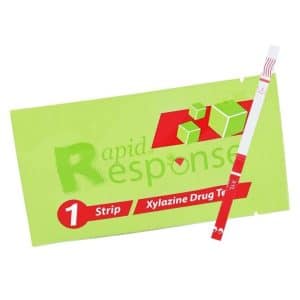
If you suspect someone has overdosed on a substance containing xylazine, it is important to call 9-1-1 immediately. Administer naloxone as you normally would and check the person’s breathing – look for at least 10 breaths per minute. Put the person in the rescue position until medical help arrives. If you or someone you care about is concerned that their drug supply may contain xylazine, test strips have recently become available and can be shipped to NYS residents, free of charge, through the Matters Network (MattersNetwork.org). You can also contact the FCCS Outreach & Engagement team at (607) 543-4262 to request free harm reduction materials including Narcan rescue kits that include testing strips.
Deanna Kilanowski is a Prevention Specialist with Cortland Prevention Resources, a division of Family & Children’s Counseling Services